Autumn Accordion Card: A Versatile Digital Asset for Seasonal Creators
The landscape of digital crafting has evolved significantly, moving from simple templates to complex, multi-layered vector files that demand precision and versatility. For professionals in the design industry, small business owners, and serious hobbyists, finding assets that bridge the gap between aesthetic appeal and technical functionality is often the difference between a quick project and a polished product. The Autumn Accordion Card represents a specific category of digital resources designed to meet these rigorous standards. This article provides an objective evaluation of this asset, analyzing its compatibility, structural integrity, and practical application across various cutting and design platforms.
Understanding the Core Functionality
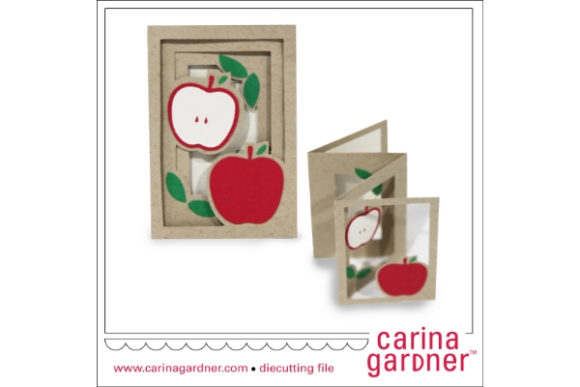
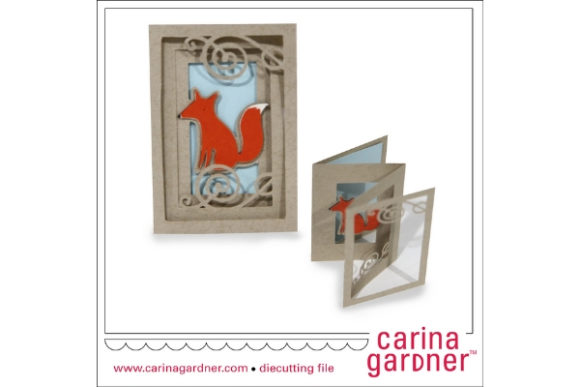
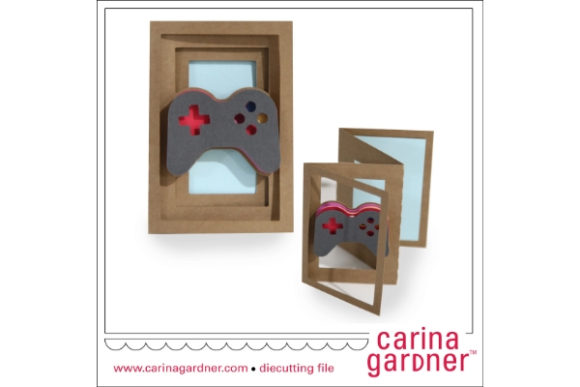
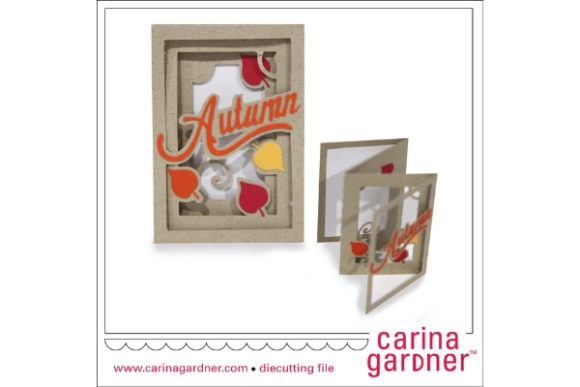
An accordion card is fundamentally a paper engineering mechanism that allows a flat piece of material to expand and contract, revealing multiple panels or images when pulled open. In the context of digital design, the Autumn Accordion Card refers to a pre-designed file set that facilitates the creation of this three-dimensional effect using seasonal motifs. Unlike static greeting cards or single-layer decorations, this resource requires precise scoring lines and cut paths to ensure the mechanical action functions smoothly without tearing the material.
The primary value proposition lies in its adaptability. Whether intended for commercial sale at craft fairs, used as a high-end marketing tool by entrepreneurs, or incorporated into personal scrapbooking projects, the asset must perform reliably. The design typically incorporates warm color palettes, foliage patterns, and harvest-themed imagery suitable for late September through November. However, the true utility of the Autumn Accordion Card extends beyond the visual theme; it resides in the underlying code and vector geometry that make production feasible.
File Format Compatibility and Workflow Integration
One of the most critical factors for any digital crafting asset is its interoperability with industry-standard software. The package described here includes both SVG (Scalable Vector Graphics) and PNG (Portable Network Graphics) formats within a convenient zip archive. This dual-format approach addresses the diverse needs of different user groups.
- SVG Files: These are essential for users working with vector-based cutting machines. The inclusion of SVG ensures that the design can be scaled infinitely without losing resolution, allowing creators to produce everything from miniature keychains to large wall art. The file structure is optimized for major cutting environments, including Silhouette Studio, Cricut Design Space, and Brother Scan N Cut.
- PNG Files: While less common for direct cutting, PNGs are invaluable for raster-based workflows. They serve as perfect references for Adobe Illustrator users who need to trace or modify elements, or for those utilizing printers that require high-resolution image data rather than vector cut lines.
The presence of a zip file containing these types indicates a professional delivery method. It suggests that the creator understands the logistical needs of their audience, providing a streamlined download experience that reduces friction during the setup phase. For freelancers and marketers who manage tight deadlines, having immediate access to compatible files means less time troubleshooting import errors and more time focusing on production.
Evaluating Structural Quality and Usability
When assessing the Autumn Accordion Card, one must look beyond the decorative elements to the engineering of the fold. A poorly constructed accordion design will result in a final product that is stiff, misaligned, or prone to breaking at the hinge points. High-quality vector files include distinct layers for cutting and scoring. Cutting layers define the outer perimeter and any internal die-cuts, while scoring layers indicate where the material should be folded.
In real-world testing scenarios, effective accordion designs demonstrate consistent spacing between folds. If the distance between score lines varies too much, the expansion becomes uneven, causing the card to twist or jam. Professional-grade assets like this one typically account for material thickness. Paper behaves differently than chipboard or vinyl; therefore, a robust design file often includes notes or adjustable parameters that allow the user to tweak the dimensions based on their chosen substrate.
The usability of the Autumn Accordion Card is further enhanced by the clarity of its layer naming conventions. In complex projects involving multiple colors or materials, clear labeling prevents confusion during the cutting process. Users should expect organized groups within the SVG file that separate the front panel, back panel, and connecting hinges. This organization is particularly beneficial for educators teaching paper engineering or for small business owners fulfilling bulk orders who need to maintain consistency across dozens of units.
Practical Applications for Diverse Audiences
The versatility of this asset makes it relevant to a wide spectrum of professionals. For small business owners and entrepreneurs, the Autumn Accordion Card offers a low-overhead product opportunity. Unlike physical inventory, which requires storage space and shipping logistics, digital assets allow for rapid prototyping and customization. A seller could produce a limited run of premium cards, apply gold foil accents via heat transfer, and sell them at a higher price point due to the perceived complexity of the design.
Marketers and bloggers may find utility in using these cards as interactive email attachments or social media content. An accordion-style invitation or promotional flyer stands out against standard rectangular graphics, encouraging recipients to engage physically with the brand message. The tactile nature of the finished product creates a memorable impression that purely digital ads cannot replicate.
For educators and freelance designers, the resource serves as an excellent teaching tool or client deliverable. Students learning about paper mechanics can dissect the provided SVG to understand how curves and angles interact. Freelancers working on event planning projects can quickly adapt the autumn theme to match a client's specific color palette, demonstrating flexibility and speed.
Limitations and Considerations for Implementation
While the Autumn Accordion Card presents significant advantages, a balanced evaluation requires acknowledging potential limitations. The complexity of the assembly process is the primary hurdle. Unlike a flat card that requires only folding along a single line, an accordion mechanism involves multiple folds and precise alignment. For beginners or those with limited dexterity, the learning curve may be steeper. Success depends heavily on the quality of the material used; cheap cardstock may not hold a crisp crease, leading to a sloppy finish.
Additionally, the reliance on specific software versions can pose challenges. While the files are compatible with major platforms, features in newer versions of Silhouette Studio or Cricut Design Space sometimes alter how files are interpreted. Users may occasionally need to ungroup or weld elements manually if the automatic import does not preserve the original layer structure perfectly. Furthermore, the "zip" format, while efficient, requires basic file management skills to extract and organize before use. Those accustomed to cloud-based, one-click solutions might find the manual extraction step slightly cumbersome.
There is also the consideration of scalability regarding the design itself. While vectors are scalable, the visual density of the autumn motif might not translate well to extremely small formats. A design that looks detailed on a 5x7 inch card may appear cluttered on a 2x3 inch tag. Professionals should test print a sample at the intended size to ensure legibility and aesthetic balance before committing to a full production run.
Long-Term Value and Strategic Fit
Investing in high-quality digital assets like the Autumn Accordion Card contributes to long-term workflow efficiency. By reducing the time spent troubleshooting technical issues and re-designing basic structures, creators can focus on innovation and customer satisfaction. The inclusion of both SVG and PNG formats future-proofs the asset, ensuring it remains usable even as software ecosystems shift or new hardware enters the market.
For organizations looking to expand their creative offerings, this type of resource fills a specific niche. It combines the seasonal relevance of autumn themes with the functional appeal of interactive paper goods. Whether the goal is to generate passive income through online sales, enhance a portfolio with unique case studies, or simply create meaningful gifts for family, the Autumn Accordion Card provides a solid foundation.
In conclusion, the effectiveness of this asset depends on the user's ability to leverage its technical strengths while mitigating the inherent complexities of paper engineering. When approached with attention to material selection and precise machine calibration, the Autumn Accordion Card delivers a professional result that justifies its place in a modern digital crafting toolkit. It is a resource that rewards careful preparation with a tangible, high-value outcome.