Bow Tie and Tie Pillow Box: A Practical Guide to Precision Gift Packaging
In the landscape of creative production, whether for a small business owner fulfilling orders or a hobbyist preparing a personal gift, the final presentation often dictates the perceived value of the item. The Bow Tie and Tie Pillow Box represents a specific solution within this workflow, designed to elevate simple items like gift cards, favors, or candies into polished, professional packages. This set of matching SVG designs offers two distinct pillow box configurations that cater to different aesthetic needs while maintaining structural integrity. By integrating these digital assets into your cutting machine workflow, you can streamline the assembly process and ensure consistent output quality.
Understanding the Design Assets and Workflow Integration
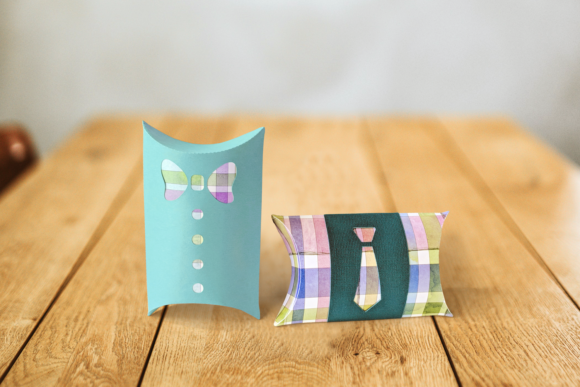
The core utility of the Bow Tie and Tie Pillow Box lies in its dual-design approach. One variation features a bow tie with button cutouts, offering a classic, formal silhouette. The second design incorporates a band wrapping around the box with a necktie cutout, providing a complementary look. Both are pre-sized to approximately 3 x 4.5 inches, a dimension ideal for standard gift cards or small confectionery items. However, the true value for professionals and creators is found in the flexibility of the file formats provided.
When approaching a project involving these boxes, the first step is selecting the appropriate file format based on your hardware and software ecosystem. The SVG file is the primary asset for users operating electronic cutting machines such as the Cricut Explore or Silhouette. It allows for direct manipulation within Cricut Design Space, ensuring that the cut lines align perfectly with the material being used. For those utilizing alternative platforms like Brother machines or vector-based software such as AutoCAD and Graphtec Studio, the included DXF file ensures compatibility without the need for complex conversion processes.
Additionally, the inclusion of a PNG reference image serves a critical role in the planning phase. While PNGs cannot be cut by machines due to their raster nature, they are invaluable for visualizing the final product before committing to materials. This allows designers to check color schemes, layout proportions, and overall aesthetics in a low-risk environment. The availability of instructions in both English and Spanish further broadens the accessibility of this resource, facilitating smoother collaboration in diverse teams or family crafting sessions.
Preparation and Material Selection
Before initiating the cutting process, proper preparation is essential to maintain efficiency and reduce waste. The dimensions of the assembled box are fixed at roughly 3 x 4.5 inches, but the material choice significantly impacts the final outcome. Cardstock is the most common medium for these projects due to its rigidity and ease of scoring. When selecting cardstock, consider the weight; lighter weights may not hold the structural tension required for the bow tie and tie cutouts, leading to tearing during assembly.
If the project requires a larger scale—for instance, if the user intends to fill the boxes with bulkier items—resizing becomes necessary. It is crucial to understand that scaling must be applied equally and proportionally across all pieces of the design. If one component is scaled differently than another, the interlocking tabs and slots will fail to align, rendering the box unusable. This principle of proportional scaling is a fundamental rule in digital fabrication that applies to all vector-based cutting projects. Always verify the dimensions in your design software before sending the job to the cutter.
Implementation Strategies for Business and Personal Use Cases
The Bow Tie and Tie Pillow Box fits seamlessly into various workflows, from high-volume commercial production to intimate personal gifting. For entrepreneurs and small business owners, consistency is key. Using a standardized design like this ensures that every package leaving the workspace meets a specific brand standard. The ability to produce identical units rapidly reduces labor time and minimizes errors associated with manual measuring and cutting.
In a corporate setting, these boxes serve as excellent tools for client appreciation or employee recognition. Imagine a scenario where a marketing team prepares end-of-year gifts. By utilizing the SVG files, they can customize the content inside the box while maintaining a uniform external appearance. The bow tie design might be reserved for senior management, while the necktie design could be distributed to the general staff, creating a tiered yet cohesive branding strategy without additional design costs.
For educators and bloggers, these designs offer a tangible way to engage an audience. A blog post about Father's Day or wedding favors can include a downloadable link to the SVG file, driving traffic and providing immediate value to readers. The educational aspect comes into play when teaching digital literacy skills. Instructors can use these files to demonstrate how to import SVGs into design software, manage layers, and execute cuts on physical media. The bilingual instructions make this particularly useful for community centers or schools serving multilingual populations.
Optimizing the Cutting Process
Efficiency in execution relies heavily on the correct setup of the cutting machine. Whether using Cricut Design Space or Silhouette Studio, users should perform a test cut on a scrap piece of material. This step verifies that the blade depth and pressure settings are appropriate for the chosen cardstock. Incorrect settings can lead to incomplete cuts or, conversely, damage to the cutting mat and blade.
Once the cut is complete, the removal of excess material (weeding) is the next critical phase. The intricate details of the bow tie buttons and the necktie shape require careful attention. Using a weeding tool with a fine point helps preserve the delicate sections of the design. After weeding, the folding process begins. Scoring the fold lines before bending the paper prevents cracking and ensures crisp edges. This attention to detail transforms a flat sheet of paper into a three-dimensional object that feels substantial and well-crafted.
Quality Control and Long-Term Utility
Maintaining quality control throughout the production cycle ensures that the final product meets expectations. Regularly inspecting the cut pieces for any jagged edges or misaligned tabs is necessary. If a batch shows signs of poor performance, it may indicate a need to recalibrate the machine or switch to a higher-quality material. Consistency in the final output builds trust with customers or recipients, reinforcing the message that care was taken in the creation of the gift.
The long-term utility of the Bow Tie and Tie Pillow Box extends beyond a single event. Because the design is digital, it can be stored and reused indefinitely. This makes it an economical choice for businesses that host recurring events or individuals who prepare annual gifts. The versatility of the design allows for customization through different colors, patterns, or textures of cardstock, enabling endless variations without altering the underlying geometry of the box.
Furthermore, the integration of these designs into a broader creative workflow encourages experimentation. Creators can combine the pillow box with other elements, such as printed tags, ribbons, or custom stamps, to create a unique unboxing experience. The structured nature of the pillow box provides a stable base for these additional embellishments, allowing for a layered approach to packaging design.
Conclusion on Practical Application
The Bow Tie and Tie Pillow Box is more than just a craft template; it is a functional asset for anyone involved in the production of physical goods. Its multi-format support ensures compatibility across a wide range of cutting machines, while its precise sizing simplifies the planning phase. By adhering to best practices in material selection, machine calibration, and proportional scaling, users can achieve professional results consistently.
Whether used to enhance a small business's brand identity, facilitate a classroom lesson on digital fabrication, or simply add a touch of elegance to a personal gift, this design set proves that thoughtful preparation leads to superior outcomes. The combination of practical instructions, versatile file types, and timeless design elements makes it a reliable tool for modern creators. As you integrate these boxes into your routine, remember that the goal is not just to assemble a container, but to curate an experience that reflects care and precision.