Flag Explosion Box: A Comprehensive Evaluation for Crafters and Designers
The Flag Explosion Box has emerged as a distinctive solution within the realm of handmade gift-giving and scrapbooking. Unlike traditional flat greeting cards or standard memory boxes, this specific design offers a dynamic presentation that reveals layers of content upon opening. For hobbyists utilizing digital cutting machines, the availability of vector-based assets in both SVG and PNG formats has significantly lowered the barrier to entry for creating these intricate structures. This article evaluates the utility, technical requirements, and practical applications of the Flag Explosion Box to help you determine if it aligns with your crafting goals.
Understanding the Structure and Mechanics
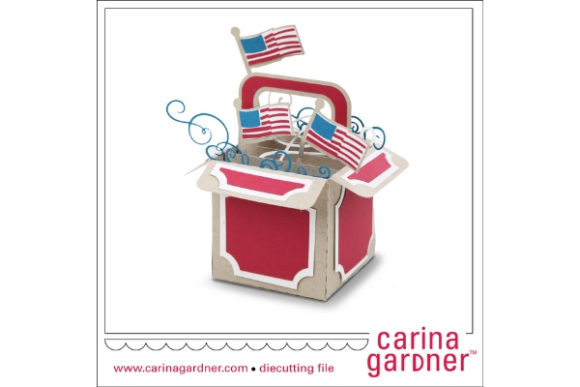
An explosion box is a three-dimensional paper craft where the sides of the box "explode" outward when the lid is removed, revealing multiple tiers of pockets and decorations inside. The Flag Explosion Box variant incorporates a specific aesthetic theme, often utilizing flag motifs, bunting designs, or patriotic color schemes on the flaps and interior elements. The construction typically involves a base box, a lid, and several internal layers that are connected by hinges or tabs. When opened, the flaps extend outward like a fan, displaying photographs, journaling cards, or small gifts arranged in a cascading format.
The complexity of this project lies in the precision required for scoring and folding. While the visual result is elaborate, the underlying structure relies on accurate measurements. The inclusion of digital files allows users to automate the cutting process, ensuring that every fold line and connection point is perfectly aligned. This mechanical reliability is crucial, as even minor discrepancies in the cut lines can prevent the box from opening smoothly or cause the structural integrity to fail.
Why Choose a Digital File Solution?
For individuals researching options for creating this specific item, the primary advantage lies in the file compatibility. The market now offers resources containing both SVG (Scalable Vector Graphics) and PNG (Portable Network Graphics) formats. These digital assets are designed to be compatible with leading electronic cutting platforms, including Silhouette Studio, Cricut Design Space, and Brother Scan N Cut.
- Silhouette Studio: Users can import the SVG files directly into the software, allowing for advanced manipulation such as grouping, welding, and mirroring. This is particularly useful if you need to adjust the size of the box to fit specific dimensions without losing quality.
- Cricut Design Space: The platform supports the upload of these files, enabling users to utilize the "Make It" feature to send instructions directly to the machine. The intuitive interface helps beginners visualize the layout before cutting begins.
- Adobe Illustrator: For professional designers, the SVG files provide editable paths. This allows for deep customization of the flag patterns, text, and decorative elements to match specific brand guidelines or personal styles.
The availability of PNG files adds another layer of flexibility. While PNGs are raster images, they are essential for projects involving full-color printing on cardstock or photo paper. If the design requires complex gradients, photographic textures, or detailed illustrations that do not translate well to simple vector cuts, the PNG component ensures high-resolution output.
Benefits of the Flag Explosion Box Design
The decision to invest time in creating a Flag Explosion Box is driven by several functional and aesthetic benefits. Primarily, it serves as an interactive storytelling medium. Unlike a static card, the act of opening the box becomes part of the experience, engaging the recipient through movement and surprise. This makes it an excellent choice for milestone events such as birthdays, graduations, military deployments, or national holidays.
Another significant benefit is the storage capacity. The multiple tiers allow for the inclusion of physical items beyond paper. Small trinkets, folded letters, or miniature photos can be tucked into the pockets created by the flaps. This transforms the object from a mere decoration into a curated collection of memories. Furthermore, because the design is scalable, the same file set can be used to create a compact version for a quick gift or a large, display-worthy piece for a special occasion.
Tradeoffs and Practical Considerations
While the end result is impressive, potential creators must weigh the tradeoffs involved. The most notable challenge is the material consumption. An explosion box requires more cardstock than a standard envelope or card. To achieve the necessary rigidity for the flaps to stand up properly, heavier weight cardstock is often recommended. This increases the cost per unit compared to simpler projects.
There is also a steep learning curve regarding assembly. Even with perfect digital files, the manual assembly phase requires patience and dexterity. Scoring the paper correctly is critical; failing to score at the exact fold lines can result in cracks or uneven bends. Additionally, the use of adhesives must be precise. Excessive glue can cause the flaps to stick together prematurely, ruining the "explosion" effect.
Time investment is another factor. Cutting the layers takes time, but the assembly process is the most labor-intensive. It involves folding, gluing, and decorating each layer individually before assembling the final structure. For those looking for a quick turnaround, this project may not be suitable unless multiple copies are being made simultaneously.
Evaluating Fit: When to Use This Project
This project is a strong fit for specific scenarios. It is ideal for recipients who appreciate tangible, handcrafted items over mass-produced goods. Parents creating keepsakes for children, scrapbookers documenting travel or family history, and corporate teams creating unique employee appreciation gifts will find value here. The thematic nature of the "Flag" design makes it particularly relevant for patriotic holidays, sports team celebrations, or community events.
If you possess a digital cutting machine and have access to a variety of cardstocks, this project leverages your existing equipment efficiently. It maximizes the capabilities of the machine by requiring precise cuts and intricate folds that would be difficult to achieve manually. For educators teaching design principles or paper engineering, this box serves as an excellent case study in geometry and spatial reasoning.
Alternatives and Decision-Making Insights
However, alternatives may be worth considering depending on your constraints. If your goal is simply to deliver a message quickly, a traditional layered card or a digital e-card might be more appropriate. If you lack the necessary cardstock or do not own a cutting machine, purchasing a pre-made explosion box kit could save time, though it limits customization.
For those interested in the mechanics but not the specific flag theme, generic explosion box templates exist that offer different color palettes and patterns. If the budget is tight, consider using lighter weight cardstock, though this may compromise the durability of the final product. Additionally, if you prefer a 3D effect without the complexity of a box, pop-up cards or accordion folders offer similar interactive elements with less structural difficulty.
To decide whether the Flag Explosion Box aligns with your needs, ask yourself the following questions: Do I have the time for a multi-step assembly process? Do I have access to the necessary materials and tools? Is the recipient likely to value a complex, interactive gift over a simpler one? If the answer to these questions is affirmative, the combination of digital convenience and creative expression offered by this project is likely to meet your expectations.
Conclusion
The Flag Explosion Box represents a convergence of traditional paper craft and modern digital technology. By providing accessible files in SVG and PNG formats, it empowers users to create high-quality, personalized gifts using familiar software platforms. While it demands attention to detail and a willingness to navigate the complexities of assembly, the resulting object offers a memorable and tactile experience that standard gifts cannot match. For crafters willing to invest the effort, it remains a compelling option for celebrating significant moments.