West Highland Terrier: Crafting a Timeless 3D Paper Art Masterpiece
The West Highland Terrier, affectionately known as the Westie, is more than just a beloved companion dog with a distinctive white coat and perky ears. For creative enthusiasts, this breed represents a perfect subject for artistic expression, particularly when translated into intricate paper art. However, transforming a digital design of a West Highland Terrier into a stunning physical object requires more than just hitting the print button. It demands an understanding of depth, layering, and material integrity to ensure your final piece looks professional rather than amateurish.
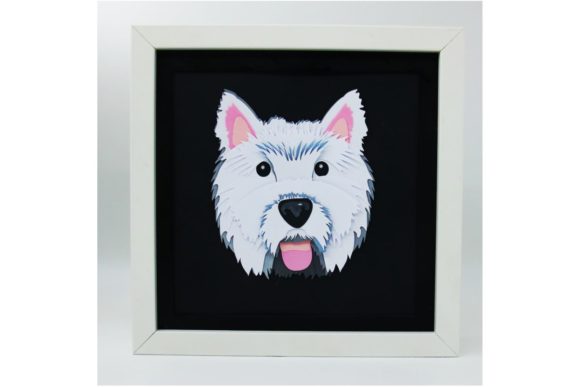
Many creators rush into their first papercut project without realizing that the success of a West Highland Terrier High-Quality 3D Paper Art Template hinges on how well the layers are constructed. A poorly assembled light box can look flat, fragile, or misaligned, failing to capture the lively spirit of the breed. By avoiding common pitfalls in the assembly process, you can create a unique gift for a birthday or wedding, or a sophisticated home decor item that stands out on any shelf or wall.
The Critical Role of Layering and Depth
A fundamental mistake beginners make is underestimating the importance of spacers. The magic of a 3D papercut light box lies in its ability to cast shadows and create depth. Without proper separation between layers, the image loses its dimensionality and becomes a simple silhouette. Most people opt for strips of foam or foam board to act as these spacers because they offer a lightweight yet sturdy structure. Foam board, specifically, is ideal as it sandwiches two pieces of paper together, providing necessary strength without adding excessive weight.
If you skip this step or use materials that are too thick or too thin, the visual impact diminishes. Too much spacing can make the Westie look disconnected, while too little prevents the light from glowing through the gaps effectively. When using a template designed for a West Highland Terrier, pay close attention to the recommended spacer thickness provided in the instructions. This ensures that the details of the terrier's fur texture and facial features pop out correctly when illuminated.
Selecting the Right Materials for Longevity
Another area where projects often fail is material selection. While it might be tempting to use standard printer paper to save money, this choice can lead to warping, tearing, or a lack of structural integrity over time. The durability of your West Highland Terrier art depends heavily on the paper quality. High-quality cardstock is generally preferred because it holds the fine cuts required for the detailed layers of the template.
Furthermore, consider the lighting source you plan to use. Some templates include vector formats that need to be scaled up, which can reveal imperfections in low-grade paper. If you are creating a piece intended for long-term display, investing in acid-free, archival-quality paper ensures that the colors remain vibrant and the paper does not yellow with age. This is particularly important if the light box will be mounted on a wall near a window, where UV exposure could degrade inferior materials quickly.
Navigating File Formats and Cutting Tools
When you download a ZIP file containing SVG, PDF, and PNG formats, it is easy to feel overwhelmed by the options. Each format serves a specific purpose, and choosing the wrong one for your cutting machine can result in wasted time and materials. For instance, SVG files are vector-based and can be scaled to a larger size without losing resolution, making them perfect for high-precision machines like Cricut or Silhouette Cameo.
A common error is attempting to cut a raster image (like a JPEG) as if it were a vector path. This leads to jagged edges and missed cuts, ruining the delicate layers needed for the Westie design. Always check the instructions included with your download to determine which file type corresponds to your specific equipment. If you are using a manual craft knife, the PDF might be the most suitable option, allowing you to trace the lines directly. Understanding the capabilities of your tool before starting is essential for achieving a clean finish.
Assembly Precision: Avoiding Misalignment
Even with the best materials and tools, the assembly process can go awry if alignment is ignored. One of the most frustrating outcomes is a finished product where the West Highland Terrier's head is tilted incorrectly relative to the body due to shifted layers. To avoid this, establish a consistent registration system before applying glue or adhesive tape. Many successful creators use a temporary pinning method or a dedicated alignment jig to hold layers in place while they work.
Do not rely solely on freehand placement. The instructions provided with the template are there for a reason; they detail the exact order of assembly. Skipping steps or rearranging the sequence can alter the intended depth and shadow play. Take your time to verify that each layer sits flush against the spacers. If a layer feels loose, it may indicate that the cut was slightly off, or the spacer is uneven. Correcting these issues early prevents the need to disassemble the entire piece later.
Evaluating Your Project Before Finalizing
Before declaring your West Highland Terrier 3D papercut complete, perform a thorough evaluation. Turn on the light source and observe the piece from multiple angles. Does the light glow evenly through all layers? Are there any visible gaps or uneven shadows that distract from the subject? If the answer is yes, do not force the project to completion. Instead, revisit the problematic areas. Perhaps a spacer needs to be trimmed, or a layer needs to be repositioned.
This final check is crucial for ensuring customer satisfaction if you are selling the piece, or personal pride if it is a gift. A well-executed light box should look seamless, as if the Westie is floating within the frame. By addressing minor alignment issues now, you guarantee a professional presentation that honors the detailed craftsmanship of the original template.
Maximizing Value Through Smart Choices
Ultimately, the goal is to create something that brings joy and aesthetic value. Whether you are a hobbyist looking to personalize your home or a small business owner creating custom gifts, the key lies in respecting the design process. Do not cut corners on materials, ignore the instructions, or rush the assembly. By following these practical guidelines, you ensure that your West Highland Terrier High-Quality 3D Paper Art Template transforms into a masterpiece that captures the essence of the breed beautifully.
Remember, the difference between a mediocre craft project and a cherished keepsake often comes down to attention to detail. With the right approach, your creation will serve as a wonderful piece of home decor, a unique gift, or a testament to your skills as a creator. Embrace the learning curve, learn from potential mistakes, and enjoy the rewarding process of bringing your West Highland Terrier to life through paper art.