Christmas Explosion Box: The Ultimate Gift for Every Holiday Story
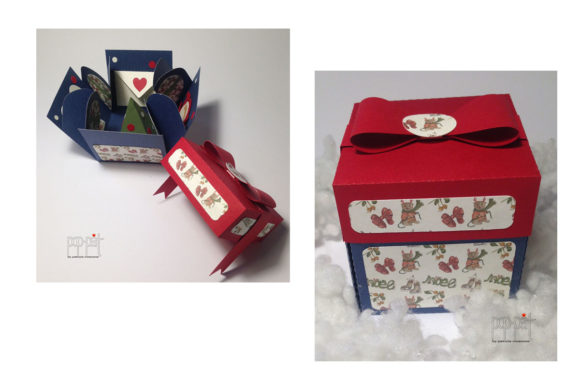
There is a specific kind of magic that happens when you hand someone a gift that refuses to stay flat. It's the moment they lift the lid and watch layers unfold, revealing secrets, photos, and memories hidden within. This is the essence of the Christmas Explosion Box, a crafting phenomenon that has taken over social media feeds and holiday card lists alike. But beyond the viral videos and intricate designs, this project offers something far more practical than just a pretty decoration. It provides a structured way to tell a story, preserve moments, and create a keepsake that feels as personal as a handwritten letter but with the wow factor of a surprise.
While many crafters are drawn to these boxes for their visual appeal, the real value lies in how they solve the problem of gifting without losing sentimentality. In an era where digital photos often get lost in cloud storage or physical albums gather dust on shelves, an explosion box forces the recipient to engage physically with their memories. It transforms a simple collection of images into an interactive experience. Whether you are a parent trying to document a child's first Christmas or a friend wanting to celebrate a milestone year, this format bridges the gap between a standard photo album and a scrapbook page.
Real-World Scenarios Where Explosion Boxes Shine
The versatility of the Christmas Explosion Box extends well beyond the traditional family gathering. Imagine a scenario where you are planning a corporate holiday party. Instead of handing out generic mugs or pens, a small, beautifully crafted explosion box filled with team photos from the year and personalized notes can become the highlight of the event. It signals effort and thoughtfulness in a way that mass-produced items simply cannot match.
For parents, the utility becomes even more apparent. Think about the chaos of the holiday season. You have hundreds of photos from school plays, Santa visits, and family dinners. Sorting through them to find the perfect one for a card takes hours. An explosion box allows you to curate a narrative rather than just a list of dates. You can dedicate one layer to "December 1st," another to "The Tree Lighting," and a final center panel to a heartfelt message. When your child opens it five years from now, they aren't just seeing a picture; they are stepping back into the timeline of that specific year.
Social gatherings also benefit immensely from this format. Consider a baby shower or a bridal shower during the holidays. Guests often struggle with what to give. A pre-made explosion box template, customized with the guest of honor's name and a few shared memories, serves as a centerpiece activity. Guests can add their own messages or photos before the recipient opens the main box, turning the gift itself into a collaborative memory-making session. It shifts the focus from the price tag of the item to the time invested in creating it.
Who Benefits Most From This Craft?
It is easy to assume that only professional scrapbookers or those with extensive crafting supplies can tackle this project. However, the audience for Christmas Explosion Box projects is surprisingly broad. Teachers often use these boxes to create end-of-year gifts for students, embedding certificates, class photos, and encouraging notes inside. The tactile nature of opening the box helps children who might be overwhelmed by text-heavy letters, allowing them to process the information visually and interactively.
For grandparents, this medium offers a unique solution to the distance problem. Grandparents living across the country can receive a box filled with photos of grandchildren growing up, complete with captions written by the parents. The act of unfolding the layers mimics the passage of time, making the distance feel smaller. Similarly, couples celebrating anniversaries or new marriages can use the box to recount their journey together, placing a photo from their wedding day at the very bottom, buried beneath layers of happy moments leading up to the present.
Even hobbyists and makers find a niche here. For those who love sewing or paper crafts, the explosion box provides a challenge that combines geometry with artistry. It requires measuring, cutting, and assembling, which appeals to the analytical side of creativity. Yet, once assembled, it becomes a canvas for painting, stamping, and embellishing, satisfying the artistic urge. It is a project that respects both the builder's need for structure and the artist's desire for expression.
Navigating Digital Tools and File Formats
One of the most significant advantages of modern crafting is the accessibility of digital files. If you are wondering how to start without drawing every single line by hand, the world of SVG, DXF, PDF, and SVG Cricut files is your best friend. These digital assets allow you to skip the tedious drafting phase and move straight to creation. When you download a compatible file, you are essentially getting a blueprint that has already been mathematically calculated to fold perfectly.
The compatibility with major cutting machines like Cricut Design Space, Silhouette Studio, and Scan-N-Cut means you don't need to own multiple expensive devices to succeed. Most high-quality templates are designed to work seamlessly across these platforms. For instance, if you use a Cricut machine, you can upload an SVG file directly into Design Space, adjust the size to fit your preferred cardboard thickness, and send it to cut. The machine handles the precision that would otherwise require a ruler and an X-Acto knife for hours.
This technological integration also supports the Photo tutorial Compatible aspect of the project. Many online resources provide step-by-step guides that show exactly where to place your photos relative to the cut lines. You don't have to guess where a photo should go to ensure it doesn't get covered when the box closes. The digital files often include marked areas specifically designated for images, ensuring that your favorite shots are displayed prominently when the box explodes open. This reduces the stress of trial and error, allowing you to focus on the creative details like color schemes and decorative elements.
Practical Considerations Before You Start
Before diving into a project, it is wise to consider the materials and limitations involved. While the digital files make the cutting process easy, the structural integrity of the box relies heavily on the material you choose. Standard printer paper will not hold the weight of multiple layers and photos. You need sturdy cardstock or chipboard, typically between 65lb and 110lb weight, depending on the complexity of the design. Choosing the wrong material can lead to a box that collapses under its own weight or fails to pop open smoothly.
Another consideration is the space required for assembly. An explosion box is not a flat project; it requires a clear workspace large enough to lay out all the panels and adhere them correctly. If you are working in a small apartment or a busy kitchen table, you might need to clear off some surface area or plan your workflow around the available space. Additionally, while the digital files provide the cuts, you still need to score the fold lines. This step is crucial for crisp edges. Skipping the scoring or doing it poorly can result in ragged folds that ruin the aesthetic of the finished piece.
Time management is also a key factor. Even with a pre-cut design, assembling an explosion box is not a quick task. It involves gluing hinges, attaching ribbons, placing photos, and adding decorations. If you are planning to make these as gifts for a large group, you must account for drying time for adhesives. Rushing the process can lead to sticky fingers or misaligned layers. It is better to start early and enjoy the process rather than cramming it into the last week before Christmas.
Finally, think about the longevity of the project. Acid-free adhesives and archival-quality papers are essential if you intend for this box to last for decades. Cheap glues can yellow over time, and non-archival papers can degrade, potentially damaging the photos inside. Investing in quality materials upfront ensures that the Christmas Explosion Box remains a treasured heirloom rather than a temporary decoration that falls apart after a few years.
The beauty of this craft lies in its ability to adapt to your skill level and your needs. Whether you are using a complex DXF file for a multi-layered masterpiece or a simple PDF template for a quick family gift, the core experience remains the same: creating something tangible that says, "I remember you." By understanding the tools available and respecting the practical constraints, you can transform a simple idea into a memorable holiday tradition.