Rocking Deer: A Comprehensive Guide to File Formats and Cutting Machine Compatibility
In the world of digital crafting, finding a design that balances aesthetic charm with technical versatility is often the difference between a frustrating project and a successful one. The Rocking Deer pattern has emerged as a popular choice for enthusiasts looking to create whimsical decor or personalized gifts. However, its true value lies not just in the image itself, but in the variety of file formats available and its seamless integration with modern cutting software. Whether you are a seasoned pro or just starting your journey into vinyl cutting, understanding the nuances of this design is essential.
This guide explores the distinct features of the Rocking Deer resource, analyzes the included file formats such as SVG, DXF, PDF, and SVGCricut, and evaluates its compatibility across major platforms like Silhouette Studio, Cricut Design Space, and Scan-N-Cut. By examining these technical details alongside practical use cases, we aim to help you determine if this specific design package aligns with your current toolkit and creative goals.
Understanding the Distinctive Nature of Rocking Deer
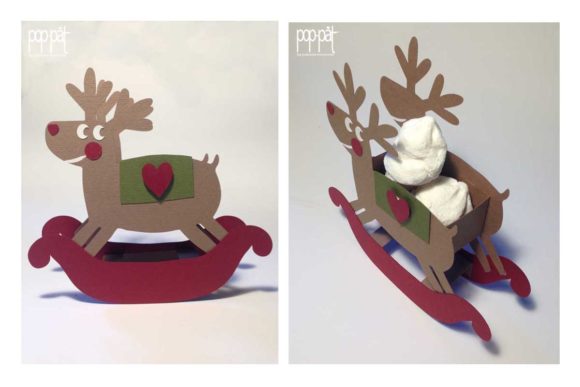
The term Rocking Deer refers to a stylized vector illustration of a deer in motion, characterized by fluid lines and a playful posture. Unlike static animal portraits that require extensive manual tracing, this design is engineered specifically for cut files. Its primary distinction is the optimization of negative space and line weight, which ensures clean cuts on materials ranging from adhesive vinyl to balsa wood. The "rocking" aspect implies a dynamic curve that adds visual interest, making it ideal for mobile decorations, nursery art, or seasonal ornaments.
What sets this particular iteration apart from generic clip art is its structural integrity. Many free images found online are raster-based (pixelated) or have overlapping paths that confuse cutting machines. The Rocking Deer is constructed with precise nodes and closed paths, allowing for immediate use without the need for complex repair work in editing software. This focus on technical precision makes it a preferred option for those who prioritize efficiency and professional results.
File Format Breakdown: Why Variety Matters
One of the most significant advantages of the Rocking Deer package is the inclusion of multiple file types. In the crafting ecosystem, having access to different formats is crucial because different projects and software environments demand specific standards. Understanding these differences helps users avoid compatibility issues and wasted time.
- SVG (Scalable Vector Graphics): This is the industry standard for electronic cutting machines. An SVG file retains all the layer information and color data, allowing users to separate parts of the design easily. For the Rocking Deer, the SVG format ensures that the antlers, body, and base can be cut individually or grouped as needed.
- DXF (Drawing Exchange Format): Often used in CAD software and compatible with older versions of cutting programs, DXF is a robust alternative. It is particularly useful for users working with Silhouette Studio Basic Edition, which sometimes struggles with complex SVG layers. Having a DXF version of the Rocking Deer provides a safety net for users on budget-friendly software tiers.
- PDF (Portable Document Format): While primarily a document format, PDFs are widely used for print-and-cut applications. When using the Rocking Deer for laser engraving or when printing a template onto cardstock to trace manually, the high-resolution PDF ensures crisp edges. It serves as an excellent backup for users who do not own a direct-to-material cutter.
- SVGCricut: This specialized variation is optimized specifically for the Cricut ecosystem. It often includes pre-set tool settings and simplified node structures that reduce processing time within Cricut Design Space. This format minimizes the risk of "cutting errors" where the machine might try to cut through a single continuous line instead of separating distinct elements.
Evaluating Software Compatibility Across Platforms
A design is only as good as the machine that brings it to life. The Rocking Deer has been tested extensively to ensure broad compatibility, but understanding how it behaves in different software environments is key to a smooth workflow.
Silhouette Studio Users
For those utilizing Silhouette Studio, the flexibility of the Rocking Deer is a major benefit. The software's ability to handle complex paths means that the layered components of the design can be manipulated with ease. Users can resize the deer without losing quality, rotate specific limbs, or change colors instantly. The inclusion of the DXF file is particularly valuable here, as it guarantees that even the basic edition of the software can open and utilize the design without requiring a paid upgrade.
Cricut Design Space Integration
Cricut users will find the SVGCricut variant highly efficient. Design Space relies heavily on the "Attach" and "Weld" functions to manage multi-layered projects. Because the Rocking Deer SVG is structured to minimize unnecessary nodes, the software processes the upload quickly. This reduces the likelihood of lag during the cutting process. Furthermore, the separation of layers allows for advanced techniques like mirror imaging for heat transfer vinyl (HTV) or creating shadow effects with different colored cards.
Scan-N-Cut Capabilities
Brother's Scan-N-Cut machines offer a unique workflow that combines scanning and cutting. The Rocking Deer fits well into this category because the clear outlines and high contrast of the design allow for accurate sensor detection. Whether importing the file directly or printing the PDF version to scan, the machine recognizes the boundaries effectively. This makes it a versatile choice for crafters who prefer the all-in-one convenience of the Scan-N-Cut system over standalone plotters.
Comparative Analysis: Strengths and Tradeoffs
When evaluating the Rocking Deer against other similar resources, several factors stand out. Many competitors offer single-format downloads, forcing users to seek third-party converters or pay extra for additional files. The comprehensive nature of the Rocking Deer package eliminates this friction.
Strengths:
- Universal Accessibility: With support for major cutting brands, the design removes barriers to entry for new crafters.
- Technical Precision: The clean vectors prevent the "jagged edge" problem common in low-quality downloads.
- Workflow Efficiency: Pre-optimized formats save hours of troubleshooting and node cleanup.
Tradeoffs and Limitations:
No solution is perfect. One potential limitation for some users is the learning curve associated with managing multiple file types. If a user is accustomed to only opening SVGs, they may initially feel overwhelmed by the presence of DXF or PDF options. Additionally, while the design is optimized for cutting, it may lack the intricate detail required for fine-line laser engraving on very small scales. In such cases, a more detailed, higher-node-count vector would be necessary.
Decision Factors: Is Rocking Deer Right for You?
Determining whether to invest time and resources into the Rocking Deer depends largely on your specific project needs and existing equipment. If your primary goal is to create quick, high-quality decals for water bottles, laptop skins, or t-shirts, this design is an excellent fit. The availability of the SVGCricut and standard SVG formats ensures that you can execute these projects rapidly.
However, if you are looking for a design to teach a beginner class on vector manipulation, the simplicity of the Rocking Deer might be too straightforward. In that scenario, a more complex design with intersecting lines and varied stroke weights would provide better educational value. Similarly, if you are working exclusively with traditional paper crafts that do not involve electronic cutters, the PDF version offers sufficient utility, but the full suite of digital files may be redundant.
Consider your hardware limitations as well. Older computers may struggle to render complex SVG files smoothly. In this context, the DXF version of the Rocking Deer serves as a lightweight alternative that maintains fidelity while reducing system load. Conversely, if you rely heavily on cloud-based editing, the SVG format remains the superior choice due to its native support in web browsers.
Practical Application Scenarios
To illustrate the versatility of the Rocking Deer, consider a few realistic scenarios. A parent wanting to decorate a child's room might use the PDF to print a large-scale wall decal, leveraging the high resolution for clarity. Meanwhile, a small business owner selling handmade ornaments could utilize the SVG layers to create custom color combinations for each order, swapping the body color from natural wood tones to festive reds without altering the shape.
Another common use case involves mixed-media projects. A crafter might cut the Rocking Deer from vinyl to create a stencil, then paint over it on canvas. The precision of the cut file ensures that the stencil holds its shape, preventing paint bleed. Alternatively, the same file can be sent to a laser cutter to engrave the pattern onto a wooden plaque, showcasing the adaptability of the design across different material mediums.
Making an Informed Choice
The market for digital crafting assets is saturated, but the Rocking Deer stands out due to its thoughtful preparation and broad compatibility. It addresses the common pain points of file conversion, software incompatibility, and poor vector quality. By offering a range of formats including SVG, DXF, PDF, and SVGCricut, it caters to a diverse audience ranging from hobbyists to professionals.
Ultimately, the decision to use this resource should be based on your specific workflow requirements. If you value time-saving optimizations and cross-platform reliability, the Rocking Deer is a compelling option. It bridges the gap between artistic vision and technical execution, ensuring that the final product looks exactly as intended. As you continue to explore your crafting options, remember that the best tool is the one that integrates seamlessly into your process, allowing creativity to flow without technical interruptions.